Scheduled inspections
Inspect before wet seasons, shutdowns or budget cycles rather than waiting for active leaks.

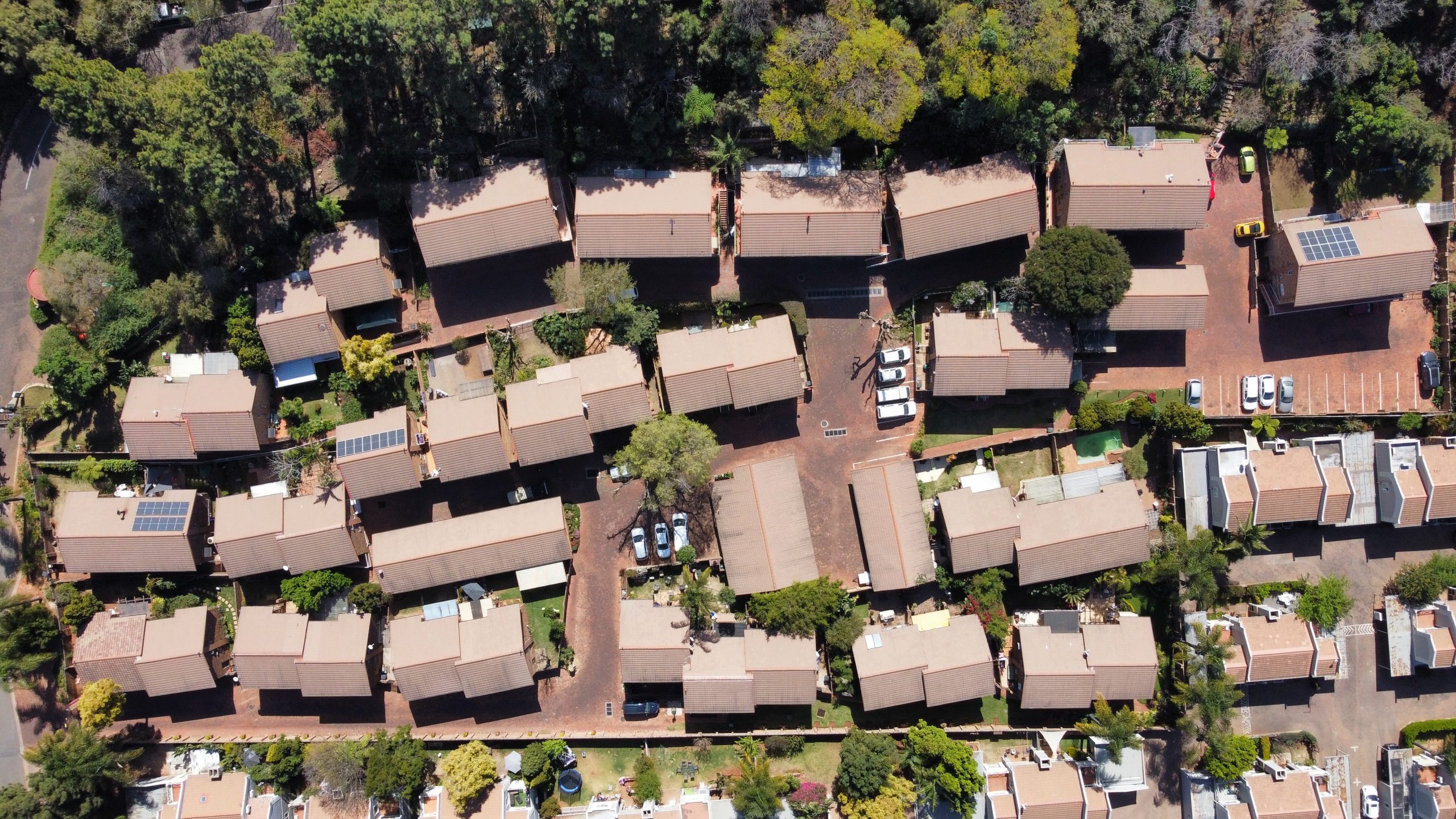
Planned commercial roof maintenance
A minor flashing, fastener or drainage defect is cheaper to address before water reaches stock, ceilings, electrical equipment or production areas. Planned maintenance turns emergency call-outs into prioritised work.
Inspect before wet seasons, shutdowns or budget cycles rather than waiting for active leaks.
Separate immediate risk, short-term repairs and longer-term capital work.
Useful for factories, shopping centres, schools and properties with several roof zones.
Defined roofing scope
The inspection and maintenance plan is matched to the roof type, age, exposure, operational risk and known history.
Request an assessmentPractical roof advice
Blocked outlets can turn a manageable rainfall event into water ingress or gutter failure. Loose fasteners and failed sealants can deteriorate quickly under wind and temperature movement.
A planned inspection creates a record of changing conditions and helps facilities teams distinguish urgent repairs from future capital expenditure.
Maintenance cannot extend every roof indefinitely. When the roof reaches the end of its serviceable life, the plan should transition to refurbishment or replacement.
Useful answers
Frequency depends on roof age, exposure, operational risk and previous failures. Many properties benefit from inspections before the wet season and after major storms.
Yes. Buildings and roof zones can be inspected, prioritised and grouped into an organised repair programme.
Active leaks can be addressed, but the purpose of planned maintenance is to identify deterioration before it becomes an emergency.
Start with the roof problem